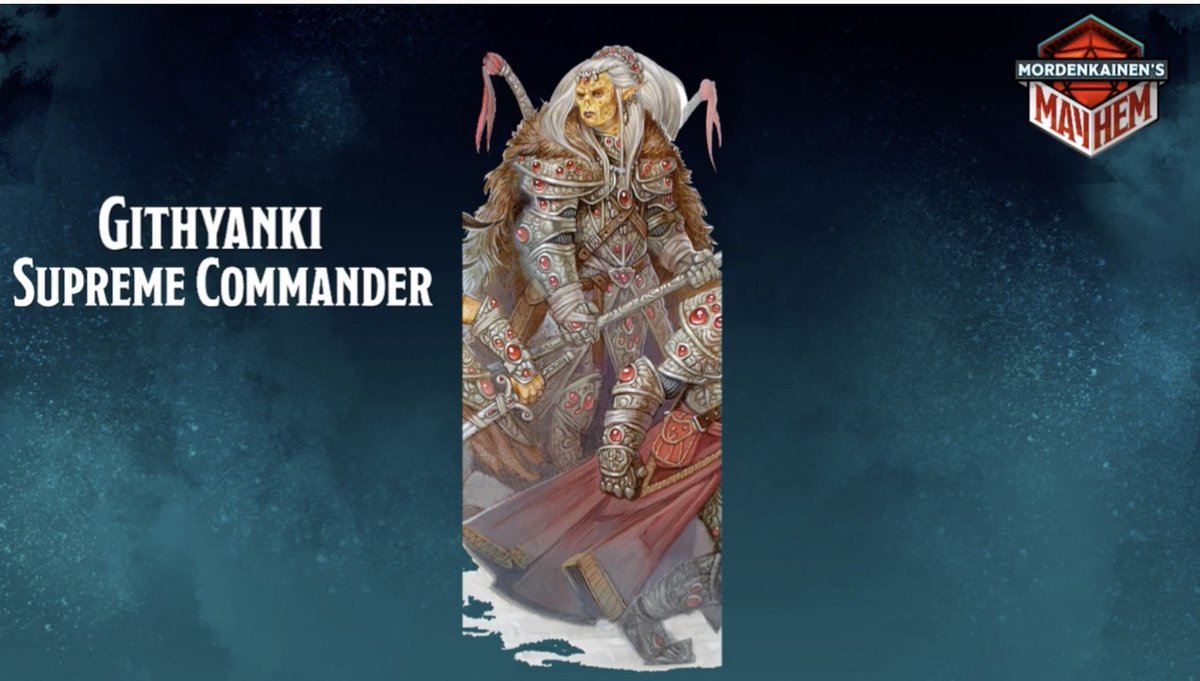
When you delve into the sprawling cosmologies of Dungeons & Dragons, few rivalries are as ancient, as bitter, or as tragically intertwined as that of the Githyanki vs. Githzerai. These two distinct factions, born from a shared lineage, stand as stark contrasts, their very "names"—their identities and reputations—etched by a schism that tore their people apart. Understanding their naming differences and similarities isn't just about etymology; it's about grasping the core philosophies, habitats, and existential hatreds that define each group.
It’s a story of liberation, betrayal, and divergent paths, where the shared trauma of slavery forged an unbreakable bond of species, yet the pursuit of freedom led to an internecine war that continues to this day.
At a Glance: Githyanki vs. Githzerai
Before we dive deep, here’s a quick overview of what sets these two formidable groups apart, and what threads still bind them:
- Origin: Both are Gith, liberated from Mind Flayer (Illithid) slavery.
- Appearance: Physically almost identical – tall, gaunt, yellow-tinged skin, sparse hair.
- Shared Hatred: Intense, visceral hatred for Illithids.
- Mutual Hatred: Intense, ongoing hatred for each other due to a historical betrayal.
- Githyanki Focus: Aggressive, militaristic conquerors.
- Githzerai Focus: Meditative, philosophical monks.
- Githyanki Home Plane: The Astral Plane.
- Githzerai Home Plane: Limbo.
- Githyanki Leader: Lich-Queen Vlaakith (revered).
- Githzerai Leader/Guide: Zerthimon (revered memory).
- Githyanki Allies: Red Dragons.
- Githzerai Allies: None prominent (self-reliant).
- Githyanki Goal: Total genocide of Mind Flayers, multiverse conquest via enslavement.
- Githzerai Goal: Eradication of Mind Flayers, seek wisdom and enlightenment without enslaving others.
- Githyanki Alignment: Typically Evil (Neutral Evil).
- Githzerai Alignment: Often Chaotic (due to independence/Limbo).
- Core Abilities: Innate psionics, high Dexterity and Wisdom, spell resistance.
The Ancestral Echo: From One People, Two Fates
Imagine a single, proud people, the Gith, enslaved for millennia by the horrific Mind Flayers. These tentacled terrors didn't just bind them physically; they dominated their minds, twisting them into compliant, cattle-like servants. But even the strongest chains can be broken. The Gith, aided by their inherent psionic abilities, rose in a furious rebellion. It was a brutal, hard-won victory that shattered the Illithid empire and freed their kind. This shared history of unimaginable oppression and glorious liberation is the bedrock of both Githyanki and Githzerai identity.
They are, at their core, survivors. They are the same species, physically near-identical, sharing the same gaunt, efficient physique, often standing over 6 feet tall with distinctive yellow-tinged, speckled skin and sparse hair. They share the same innate psionic potential, a common genetic heritage that grants them abilities like mage hand at will and formidable spell resistance. This shared lineage and fundamental psionic nature are critical similarities that underscore their common "Gith" naming.
To truly appreciate their divergent paths, it helps to revisit the timeline of the Gith-Illithid War and the sheer scale of their rebellion.
The Great Schism: A War of Ideals, Not Just Swords
Freedom, once tasted, often reveals new conflicts. The Gith, having cast off their chains, faced a critical juncture: how would they use their newfound liberty? This question led to a philosophical rift, one so profound it plunged them into a devastating civil war, famously detailed in the "Proclamation of Two Skies."
On one side stood Gith, the mighty general who had led the rebellion. She advocated for conquest, for dominion, arguing that only by ruling others could they prevent a repeat of their own enslavement. Her vision was one of absolute power, ensuring no other race could ever inflict such suffering upon the Gith again. This aggressive stance would eventually lead to the name "Githyanki"—often interpreted to mean "Gith warriors" or "followers of Gith."
Opposing her was Zerthimon, a revered philosopher and psion. Zerthimon argued that true freedom was found not in subjugating others, but in mastering oneself. He preached self-control, introspection, and the pursuit of wisdom to prevent the Gith from becoming the very oppressors they had overthrown. His followers embraced a path of internal discipline, eschewing external conquest. Their name, "Githzerai," is often translated as "those who follow Zerthimon" or "Zerthimon's adherents."
This fundamental philosophical divide is the ultimate naming difference between the two. It's not just a different suffix; it's a declaration of a distinct worldview, a choice between external domination and internal enlightenment.
Githyanki: The Astral Conquerors
The Githyanki are what happens when a people, brutalized for centuries, choose to inflict that same brutality upon the multiverse. They are the militant arm of the original Gith's vengeance, twisted into an instrument of fear and conquest. Ruled by the tyrannical Lich-Queen Vlaakith, whom they revere with an almost religious fervor, Githyanki society is a rigid hierarchy of warriors and mages, all bent on galactic domination.
Their primary goal remains the total genocide of Mind Flayers, a quest they pursue with chilling fanaticism. Yet, their methods extend far beyond their ancient foe; they are genocidal space pirates, enslaving other races and plundering worlds to fuel their war machine. Their stoic, angry demeanor masks a deep-seated rage that fuels their constant expansion. If you want to dive deeper into Githyanki society and culture, prepare for tales of ruthless efficiency and martial prowess.
Native to the Astral Plane, they make their homes on the colossal, stony bodies of dead gods, drifting through the silver void. The Astral Plane's unique properties, where time barely passes, grant them extended lifespans, further solidifying their place as ancient, enduring threats. This environment shapes their identity; they are creatures of the void, masters of planar travel, and wielders of silver swords. Their strong alliance with red dragons, who serve as mounts and powerful allies in their conquests, further distinguishes them, cementing their reputation as fierce, sky-rending predators.
Alignment-wise, they lean heavily towards Evil, most often Neutral Evil. Their favored classes, Samurai and Warmage, perfectly reflect their martial, aggressive nature. When considering a character name for these formidable foes or potential allies, our Githyanki name generator can offer authentic inspiration that reflects their sharp, often guttural language and warrior traditions. It's crucial to remember that exploring the Astral Plane is practically synonymous with encountering the Githyanki.
Githzerai: The Monks of Chaos
In stark contrast, the Githzerai are the embodiment of Zerthimon's teachings: a people dedicated to inner mastery and the pursuit of enlightenment. While they share the Githyanki's burning desire to see every Mind Flayer dead, they do not engage in the enslavement or arbitrary murder of other races. Their quest for vengeance is tempered by a profound philosophy that seeks to overcome past hardships through discipline and wisdom.
Githzerai society is a peaceful, monastic collective of philosopher-monks and psions. They revere the memory of Zerthimon, whose "Unbroken Circle of Zerthimon" serves as both a philosophical treatise and a historical account of their origins and schism. This text outlines their path of self-mastery, emphasizing mental fortitude over brute force. To understand their unique approach, it's worth delving into Githzerai philosophy and monasticism and how it shapes every aspect of their lives.
Their home is the ever-shifting, chaotic plane of Limbo. Here, their communities aren't built; they are willed into existence from chaos-matter by their powerful psions, known as Anarchs. It's a testament to their incredible mental discipline that they can carve order from such utter disorder. Living in Limbo fosters a fierce independence, and despite their monastic discipline, many Githzerai are inclined to chaotic alignments, embracing the mutable nature of their home and rejecting rigid external control.
Their favored classes, Monk and Sohei, reflect their focus on martial arts, psionic prowess, and spiritual discipline. They are quiet, stoic, and incredibly deadly, wielding their minds as effectively as any weapon. To appreciate the sheer willpower required for their existence, one must grasp understanding Limbo, the Ever-Changing Plane and its constant flux.
Unpacking the "Naming" Differences: Beyond Mere Monikers
When we speak of the "naming differences" between Githyanki and Githzerai, we're discussing far more than just the phonetic distinction. These names encapsulate their entire identity, ideology, and destiny.
- Githyanki: The name itself is steeped in the legacy of Gith, the warlord. It evokes a sense of conquest, of a people who have chosen to project their suffering outwards, becoming the oppressors they once despised. Their very identity is tied to their martial prowess, their red dragon alliances, and their unyielding queen. To be Githyanki is to be a warrior, a conqueror, and a slave to vengeance. Their "name" in the multiverse is one of dread and respect born of fear.
- Githzerai: Conversely, "Githzerai" signifies adherence to Zerthimon's vision—a path of inner strength, wisdom, and liberation through self-mastery. Their name carries connotations of discipline, philosophy, and a quieter, yet equally potent, power. To be Githzerai is to be a monk, a philosopher, and a guardian of a fragile order within chaos. Their "name" is one of quiet respect, perhaps even awe, for their unique ability to master themselves and their environment.
While their languages (Githyanki and Githzerai) are largely interintelligible, the cultural lexicon, the concepts they hold dear, and the historical narratives they tell differ dramatically. A Githyanki might speak of "glory through conquest," while a Githzerai would emphasize "mastery of the self." These linguistic and conceptual distinctions are the true "naming differences" in their identities.
Shared Echoes: What Still Binds Them (However Thinly)
Despite their profound schism, the Githyanki and Githzerai are still, genetically and historically, Gith. The similarities run deeper than just their gaunt physiques and yellow skin.
- Psionic Heritage: Both races are innately psionic, a defining trait of their species. This shared gift was instrumental in their liberation and remains a core component of their abilities. Both can use mage hand at will (with Wisdom 10+) and possess natural spell resistance (character level + 1). They also share racial bonuses of +2 to Dexterity and Wisdom, and a +2 racial bonus to Concentration and Spot checks, highlighting their keen senses and mental focus.
- The Illithid Scourge: The hatred for Mind Flayers is a fundamental, unifying aspect of their being. While their methods differ wildly, the desire to eradicate their former enslavers is a passion shared by every Gith. This common enemy is the last, most potent bond between them.
- Rejection of Deities: Neither Githyanki nor Githzerai worship traditional gods. The Githyanki revere their Lich-Queen Vlaakith, treating her as a living deity, while the Githzerai revere the philosophical memory and teachings of Zerthimon. For both, subservience to an external, unseen deity is anathema, a bitter reminder of their past enslavement. They value freedom above all else – even if they define and pursue that freedom in wildly different ways.
- Physical and Innate Traits: Beyond their appearance, they share fundamental biological statistics: Medium-sized humanoids, a base land speed of 30 feet, and Darkvision 60 feet. Their aging process is similar, reaching adulthood around 20 and living well over 150 years (though Githyanki on the Astral Plane effectively live much longer due to time dilation). They also share a Level Adjustment of +2, reflecting their innate power and versatility.
The Betrayal and the Bitter Divide
The mutual hatred between the Githyanki and Githzerai isn't just a philosophical disagreement; it's a deep-seated enmity born from betrayal. During the Gith civil war, acts of treachery and unspeakable violence were committed by both sides. The specifics are often debated and obscured by centuries of propaganda, but the outcome is clear: neither faction trusts the other, and each views the other as an abomination, a perversion of what the Gith people should be.
For the Githyanki, the Githzerai's rejection of Gith's absolute rule was a weakness, a dangerous idealism that threatened to undermine their hard-won freedom. For the Githzerai, the Githyanki's embrace of tyranny and enslavement was a horrifying betrayal of their people's suffering, a descent into the very evil they had fought to escape. This ingrained animosity means that while they might share a common ancestor and a common enemy, they are more likely to fight each other than to ever unite.
Mechanics & Lore: What Adventurers Need to Know
For adventurers encountering or playing as these fascinating races, understanding their core attributes is key:
- Ability Scores: The +2 Dexterity and +2 Wisdom bonuses are significant. Dexterity aids in combat (armor class, initiative, ranged attacks) and skills, while Wisdom is crucial for psionics, many spellcasting classes, and important skills like Perception and Sense Motive.
- Languages: While their Githyanki and Githzerai tongues are largely interintelligible, learning Common, Draconic (for Githyanki dealings), Infernal, Slaad, and Undercommon highlights their planar travels and interactions.
- Planes of Existence: Their homes—the Astral Plane (Githyanki) and Limbo (Githzerai)—are not merely locations but integral parts of their cultures and philosophies. Encountering Githyanki often means dealing with their red dragon mounts and silver swords in the silvery void, while meeting Githzerai implies navigating the chaotic, ever-changing landscape of Limbo and their disciplined enclaves.
- Level Adjustment: The +2 LA means they are powerful but start behind other races in terms of level progression. This reflects their potent racial abilities.
For those eager to dive deeper into the historical and philosophical nuances of their schism, seeking out the "Proclamation of Two Skies" is essential. The Githzerai's "Unbroken Circle of Zerthimon" offers an unparalleled look into their stoic, introspective worldview and is famously explored in the computer game "Planescape: Torment" through the companion Dak'kon.
Navigating the Multiverse: Your Githyanki and Githzerai Journey
Whether you're a Dungeon Master weaving tales of planar conflict or a player seeking to embody a character steeped in profound lore, the Githyanki and Githzerai offer a rich tapestry of history, philosophy, and visceral conflict. Their naming differences and similarities are a constant reminder of the two paths a liberated people can take: one of outward aggression and vengeance, the other of inward discipline and enlightenment.
Understanding these distinctions isn't just about knowing their favored classes or home planes; it's about appreciating the deep cultural and ideological chasm that defines their very existence. They are a testament to how shared trauma can forge unbreakable bonds, yet also sow the seeds of internecine hatred. Their story serves as a powerful cautionary tale about the complexities of freedom and the choices one makes in its aftermath, shaping identities that resonate throughout the multiverse.